
Planter Box potting soil
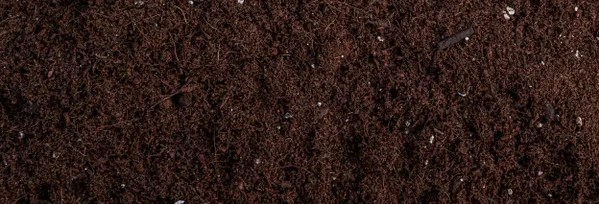
Potting soil with coco and vermiculite
A great potting soil mix, combining coco coir with vermiculite, offers excellent moisture retention and aeration while also providing a sustainable and lightweight option.
Here’s a breakdown of why and how to use them:
Why use coco coir and vermiculite?
Coco Coir:
Moisture Retention: Coco coir, derived from coconut husks, is excellent at holding moisture, preventing the soil from drying out too quickly.
Sustainability: It’s a sustainable alternative to peat moss, a non-renewable resource.
Lightweight: Coco coir is lightweight, making it ideal for containers and vertical gardens.
Vermiculite:
Aeration: Vermiculite, a mineral that expands when heated, improves aeration and drainage, preventing root rot.
Nutrient Retention: It helps retain nutrients and moisture, making them readily available to plants.
Soil Structure: Vermiculite improves soil structure, creating a balanced and healthy environment for plant roots.
How to mix coco coir and vermiculite:
Basic Ratio: A good starting point is a 1:1 or 2:1 ratio of coco coir to vermiculite.
Other Ingredients: You can further enhance your potting mix by adding:
Compost: Provides essential nutrients and improves soil fertility.
Sand: Improves drainage and aeration.
Perlite: Similar to vermiculite, perlite provides aeration and drainage.
Seed Starting Mix: For seed starting, a mix of coco coir, vermiculite, and compost is often recommended.
Tips for using coco coir and vermiculite:
Moisture:
Coco coir can be initially dry, so make sure to saturate it before using it.
Drainage:
Ensure your pots have adequate drainage to prevent waterlogging, with PlantBoxes that is taken care with internal water storing and drainage outlet.
Fertilization:
Coco coir and vermiculite mixes are generally nutrient-poor, so regular fertilization is necessary.